
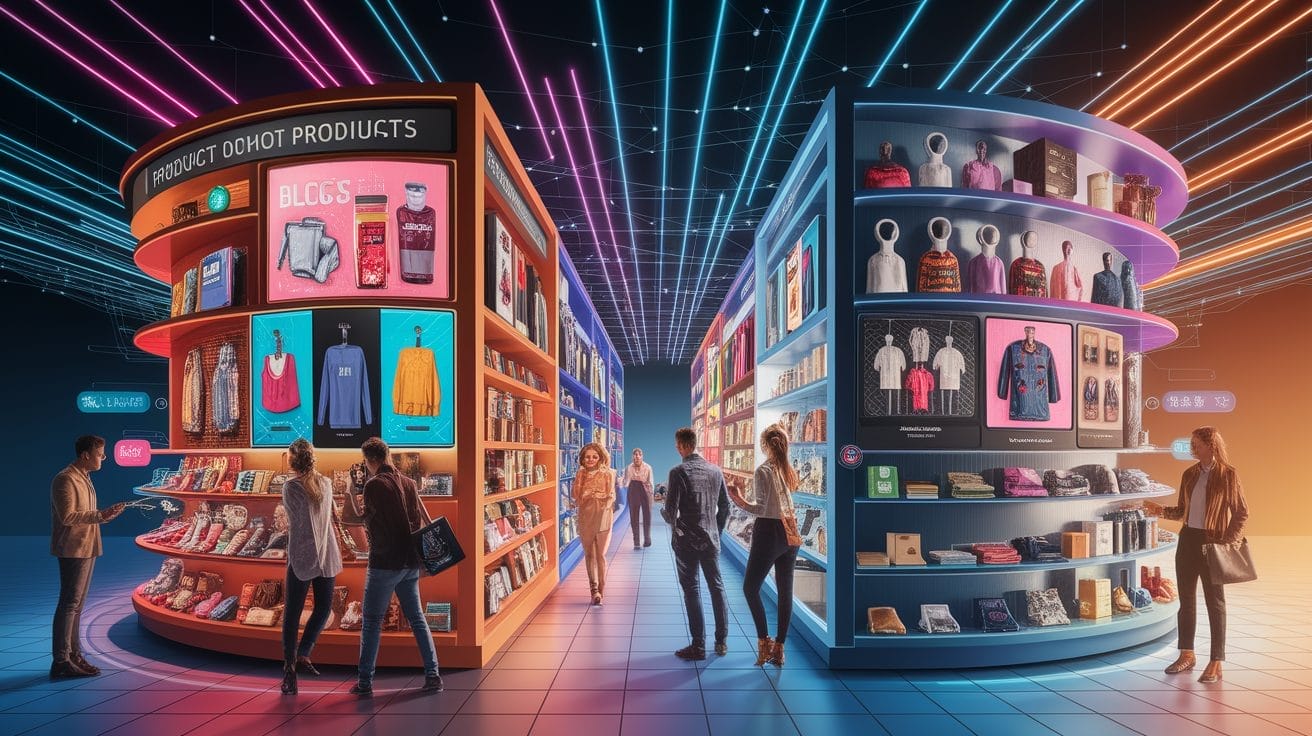
As someone who has spent years navigating the ever-evolving landscape of e-commerce and digital marketing, I can’t help but feel a spark of excitement over Shopify’s recent launch of the Product Network. This innovative feature promises to redefine the shopping experience by seamlessly blending products across various merchants, allowing consumers to discover what they need without the frustrating limitations of conventional inventory. But why should we, as SEO professionals and content marketers, take note of this development? Let’s dive in.
Why This Matters Now
The retail world is shifting dramatically, and online shopping is becoming increasingly competitive. As a small business owner or marketer, you might be grappling with how to stand out in a crowded marketplace. Shopify’s Product Network is not just another feature; it’s a strategic response to the challenges of product discovery and cart abandonment that many merchants face. According to Shopify, this system allows merchants to display products from others, enhancing cross-selling opportunities and reducing the risk of lost sales due to inventory gaps.
A Closer Look at the Product Network
In essence, the Product Network allows Shopify merchants to show relevant products from other stores directly on their own sites. Imagine a customer searching for “organic cleaning supplies” and finding options from multiple merchants without leaving the original site. This seamless integration not only enriches the shopping experience but also encourages customers to explore more without the hassle of navigating away from their chosen store.
How It Works
When a shopper lands on a store that doesn’t carry the product they’re looking for, the Product Network kicks in, showcasing alternatives that are contextually relevant. This is a significant departure from traditional advertising, where ads often feel intrusive and misaligned with user intent. Instead, Shopify leverages merchandising to provide value directly within the shopping experience.
Revenue Model and Merchant Incentives
The financial mechanics are equally intriguing. Merchants earn commissions on third-party sales made through their stores, paid either in cash or as Shopify ad credits. This creates a compelling incentive for merchants to participate actively, as they can fill product gaps without the burden of additional inventory. Shopify’s model prioritizes context over commission initially, but plans to balance these factors over time, ensuring both merchants and shoppers benefit.
Implications for SEO and Content Strategy
As SEO professionals, we need to consider how this feature could impact our strategies. The integration of products could change how we approach keyword targeting, content creation, and link-building. For example:
- Keyword Strategy: Focus on long-tail keywords that reflect specific product needs, as users will be more likely to search for precise items.
- Content Creation: Create blog posts and guides that highlight trending products within your niche, enhancing organic discovery.
- Link-Building: Foster relationships with other merchants for collaborative content that can drive traffic through shared audiences.
The Future of E-commerce Collaboration
In my view, Shopify is carving a path toward a collaborative e-commerce ecosystem. This initiative not only fosters a sense of community among merchants but also enhances the overall shopping experience. The ability to present a broader array of products without the risk of inventory management is a significant win for businesses operating in tight margins.
Predictions for the Near Future
As the Product Network matures, I foresee further advancements in personalization algorithms and monetization strategies. This could lead to even more refined product recommendations, creating a tailored shopping journey for consumers. Additionally, as shopper behavior evolves, those who adapt their SEO and content strategies to align with this new model will likely see enhanced traffic and conversions.
Final Thoughts
Shopify’s Product Network is a bold move that reflects the changing dynamics of online shopping. For SEO professionals and small business owners, this represents both a challenge and an opportunity. Embrace the changes, adjust your strategies, and prepare to enhance your customer experience in ways that were previously unimaginable. It’s time to rethink how we approach product visibility and consumer engagement in this new landscape.


