
Historic Closure and Strategic Pivot
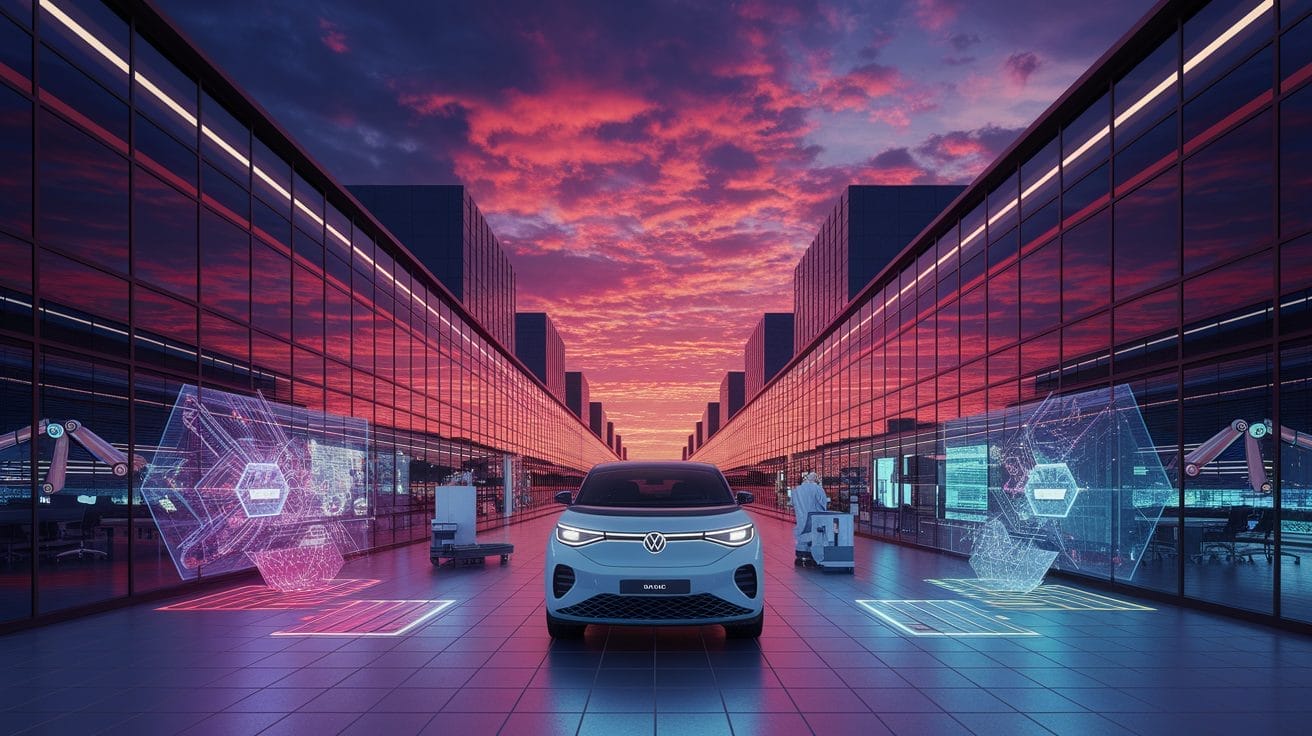
Volkswagen (VW) officially closed its Transparent Factory in Dresden, marking a first in its 88-year history. This facility, operational since 2001, will transition into a research hub for artificial intelligence (AI), robotics, and chip design by mid-2026. The decision aligns with VW’s struggle against economic pressures, including significant losses attributed to U.S. tariffs and fierce competition in the Chinese electric vehicle market.
Financial Struggles Drive Change
In 2025, VW reported its first quarterly loss in five years, largely due to €5 billion in annual costs stemming from tariffs imposed during the Trump administration. To counteract declining profitability, the company plans to reduce its German production capacity by over 730,000 vehicles annually by 2028 and eliminate 35,000 jobs by 2030. This strategic pivot from mass production to R&D represents a significant shift in VW’s operational model.
Competition from Chinese Automakers
China constitutes about 40% of VW’s global sales, yet local competitors like BYD and NIO threaten its market share. These companies leverage subsidies to produce advanced EVs with features such as autonomous parking at lower prices. VW’s response to this competitive pressure includes a substantial investment in AI technology, which it hopes will enhance its offerings and streamline development processes.
Investment in AI and Robotics
VW has earmarked €1 billion for AI development by 2030, aiming for “no process without AI.” This initiative includes a collaboration with the Dresden University of Technology and the Saxony state government, which will occupy nearly half of the repurposed factory space. The facility will focus on chip design and robotics, critical areas for future automotive technology.
Operational Risks and Future Outlook
VW’s reliance on AI and chip supply is a double-edged sword. Recent tensions regarding chip availability highlighted vulnerabilities in their supply chain. While resolving these issues has resumed production, the reliance on external chip manufacturers remains a risk. Moving forward, VW must navigate these complexities while fostering innovation at its new research hub.
In the next 6-12 months, expect VW to ramp up its AI initiatives significantly, with potential partnerships and technology launches. However, the effectiveness of these strategies in regaining lost market share and improving profitability remains uncertain.


