Overview
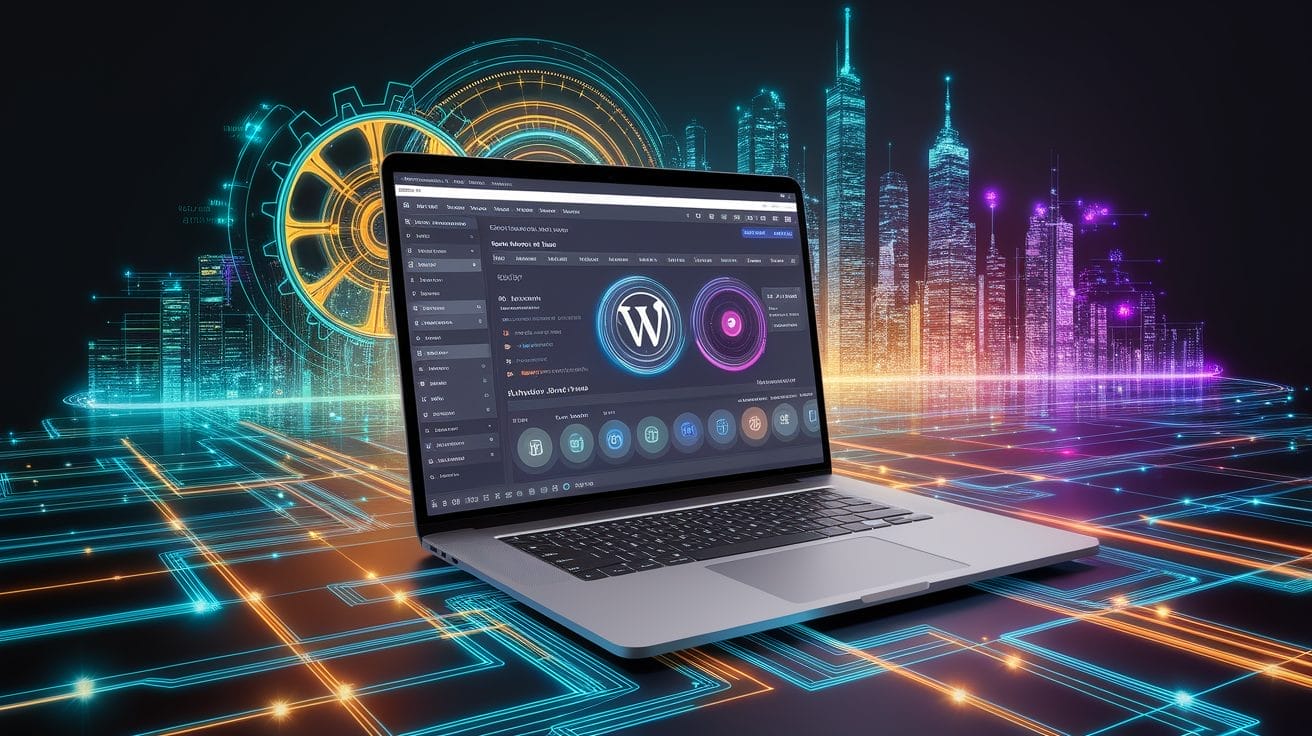
A new free AI plugin for WordPress aims to automate internal linking, a critical SEO task that enhances site structure and boosts link equity. Developed using Pinecone, OpenAI, and Google Vertex AI APIs, this plugin integrates seamlessly into both Classic and Gutenberg editors. The timing of this release coincides with the rising demand for efficient content management systems, particularly as WordPress holds over 43% of the global CMS market.
Why Internal Linking Matters
Internal links improve SEO by distributing link equity and enhancing crawlability. They allow search engines to better index content and help users navigate sites more effectively. With manual linking often being labor-intensive, the need for an automated solution becomes clear. This plugin promises to reduce the time and effort required to manage internal links across large websites.
How the Plugin Works
The plugin automates the internal linking process by utilizing vector embeddings to match content semantically. This means it can suggest relevant internal links based on the context of the content, rather than relying solely on keyword matching. The setup requires a few steps:
- Create a Pinecone vector database.
- Generate API keys from OpenAI and Google Cloud.
- Configure the plugin settings in WordPress.
After initial setup, the plugin indexes existing articles by extracting key sections such as titles and H2 headings, generating numerical vector representations for each post. This allows for quick and efficient linking suggestions whenever content is updated.
Cost Implications
While the plugin is free, initial indexing may incur costs of around $1 to $2 for tens of thousands of articles. This one-time expense is significantly lower than the ongoing costs associated with manual linking, especially for sites with large content libraries. However, businesses need to consider the potential hidden costs associated with setting up the necessary API keys and cloud services.
Operational Risks and Considerations
Reliance on third-party APIs introduces operational risks. If any of these services experience downtime or change their pricing models, the plugin’s functionality could be impacted. Moreover, automated suggestions might not always align with specific SEO strategies, leading to potential over-optimization or irrelevant links.
Future Outlook
In the next 6 to 12 months, we can expect increased adoption of this plugin as more SEOs and content marketers seek to optimize their workflows. As AI continues to penetrate the SEO space, solutions like this will likely become standard tools in the arsenal of digital marketers. However, users should remain vigilant about the implications of over-reliance on automation and ensure that human oversight remains a part of their SEO strategy.


