
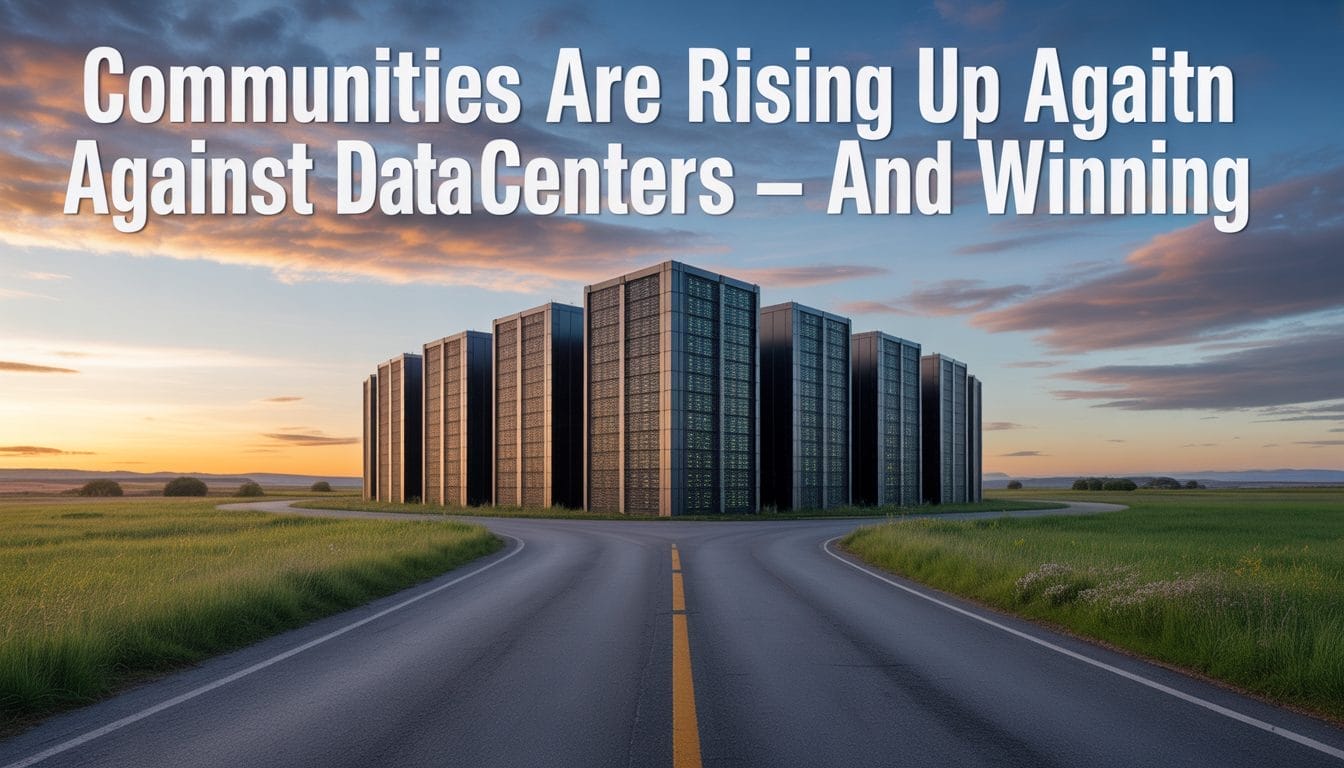
Growing Opposition to Energy-Hungry Data Centers
Data centers, the power-hungry giants of the digital age, face increasing backlash from communities across the United States. Residents are fed up with rising electricity costs, environmental degradation, and the pervasive noise pollution these facilities generate. Local lawmakers and grassroots organizations are pushing back, demanding accountability and transparency from developers.
Key Drivers of Community Resistance
Opposition stems from several critical issues. Data centers consume energy equivalent to entire cities, straining local power grids and leading to higher electricity bills for residents. This demand often necessitates new power plants, which contribute to pollution. Water usage for cooling systems exacerbates resource scarcity, particularly in drought-prone areas. Additionally, the conversion of farmland into impermeable surfaces impacts local ecosystems and property values. The reliance on fossil fuels for energy further conflicts with sustainability goals, raising questions about the true environmental impact of these facilities.
Successful Grassroots Movements
Recent victories highlight the effectiveness of organized local resistance. In Virginia, 42 activist groups successfully stalled a billion-dollar project proposed by Amazon, prompting the withdrawal of the Ashton data center plan after a planning commission’s rejection. Similarly, in Saline Township, Michigan, community opposition led to blocked rezoning efforts for new developments. Nationwide, approximately $64 billion in projects have faced delays or outright cancellations since 2023, reflecting a growing trend against energy-intensive infrastructure.
Strategies Employed by Opponents
Grassroots efforts are becoming more sophisticated. Organizations such as the Data Center Reform Coalition coordinate multi-group strategies, utilizing tactics like attending planning meetings and engaging in strategic litigation. Collaborations with environmental lawyers and energy researchers help debunk the often-overstated sustainability claims made by developers. This professionalization of opposition reflects a shift towards organized, informed resistance against data centers.
Geographic Hotspots and Political Dynamics
Areas like Northern Virginia, Washtenaw County in Michigan, and the Columbia Gorge in Oregon are at the forefront of this resistance. Interestingly, opposition spans the political spectrum, garnering support from both Republicans and Democrats. This bipartisan alignment is likely to intensify as awareness of the environmental and economic implications of data centers grows. In 2025 alone, tens of billions in investments faced blockades, indicating a pivotal moment for community activism.
Future Implications for the Data Center Industry
The ongoing resistance signals a shift in how communities view the trade-offs associated with data center projects. As stakeholders demand more realistic assessments of the economic benefits versus environmental costs, the industry may face increased scrutiny and regulatory challenges. Expect the trend of organized opposition to continue, with communities advocating for greater transparency and alternative economic strategies. The landscape of data center development could change significantly if these local movements maintain momentum.


