
Test Overview
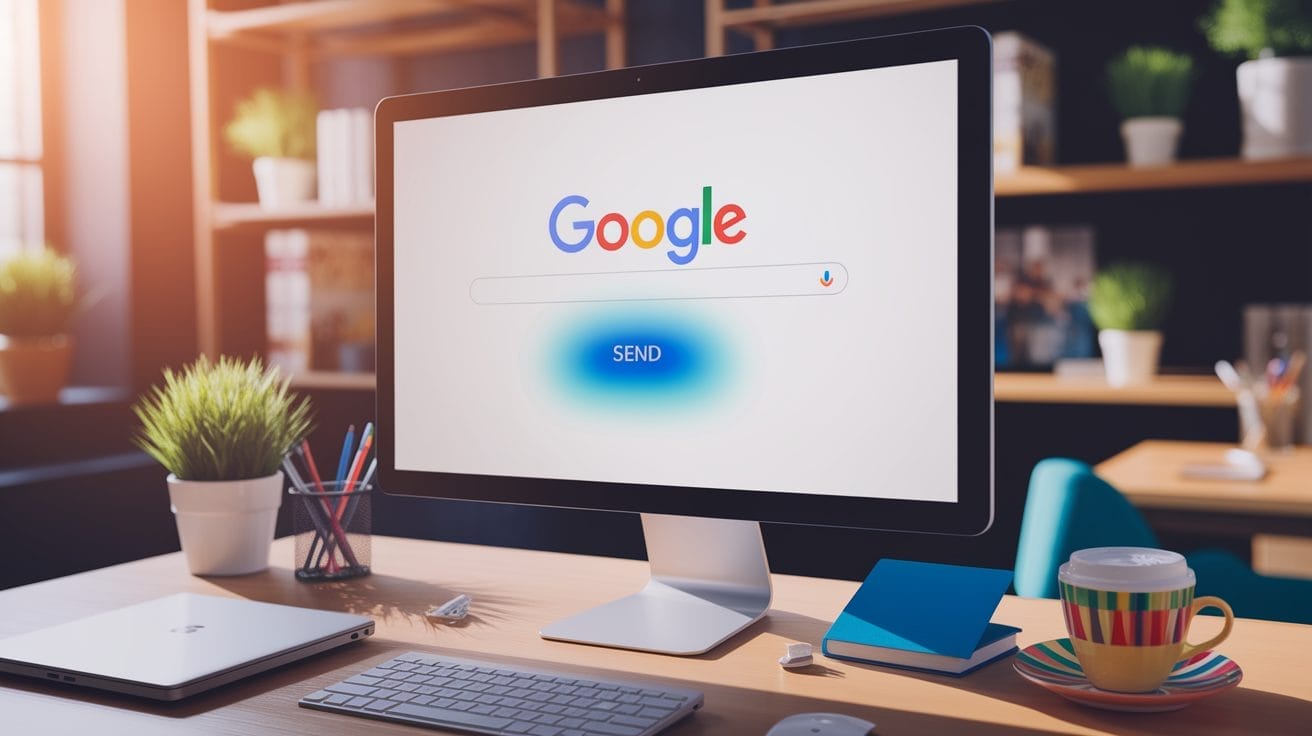
Google initiated A/B testing for a blue ‘Send’ button in its search query box, identified by Shameem Adhikarath on January 2, 2026. This button appears when users start typing a search term, replacing the previously trialed AI Mode button. Clicking this button directs users to conventional search results instead of AI-generated content, signaling a shift back to traditional search methodologies.
Design and User Interface Changes
This blue Send button aligns with Google’s recent interface changes aiming to balance traditional search capabilities with AI features. The company has been experimenting with various buttons, including an AI Mode launched in mid-2025 and other visual elements like a blue paperclip icon for file uploads. The introduction of the Send button seems to streamline the user experience, reducing reliance on the Enter key for submitting queries.
Why the Blue Button?
Google’s choice to use a blue interface component is not arbitrary. Blue elements have been employed in previous tests, such as related search buttons and verification ticks, reinforcing brand familiarity and encouraging user interaction. This consistent usage indicates a strategy to make action-oriented features stand out against neutral backgrounds.
Implications for Search Behavior
The implementation of the blue Send button could significantly alter user behavior. By providing a distinct call-to-action, it may encourage users to engage more actively with search functionalities, potentially reducing the cognitive load created by competing AI prompts. If widely adopted, this feature could reshape how users interact with both mobile and desktop versions of Google Search.
A/B Testing Dynamics
Google’s extensive A/B testing methodology allows for precise measurement of user engagement metrics. This test, like others, appears inconsistently across user sessions to gauge click-through rates and overall satisfaction. Historical examples of similar tests include variations in Chrome’s omnibox and customizable search elements, which provide a data-driven approach to refining user interfaces before full rollout.
Looking Ahead
In the next 6 to 12 months, if the blue Send button proves effective in increasing engagement with traditional search results, expect Google to implement it widely. This shift could signal a broader strategy to pivot back towards conventional search, potentially sidelining AI features that have not yet gained traction with users.


