Overview of ‘Read More’ Links
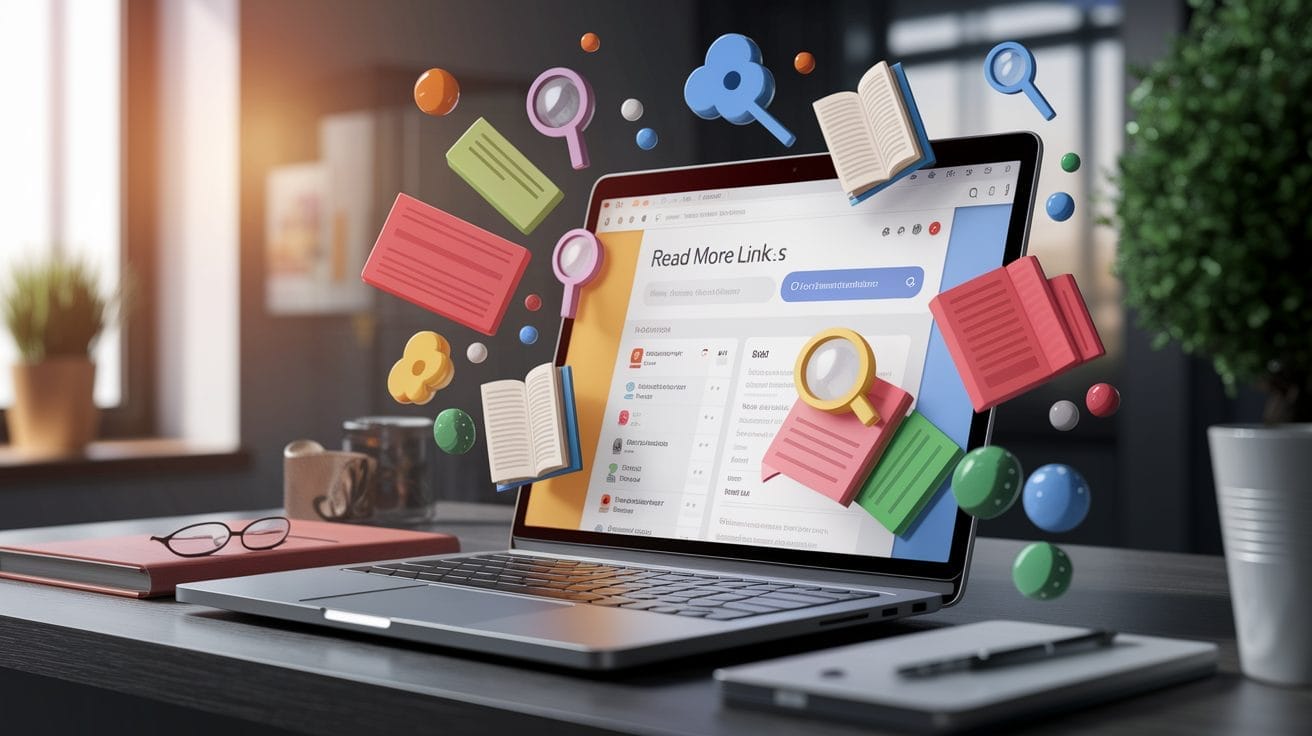
Google has deployed ‘Read more’ links in search snippets, allowing users to navigate directly to specific sections of a webpage. This functionality, which began broader rollout in December 2025, aims to streamline user access to relevant content, theoretically reducing the time spent scrolling through lengthy articles. The links utilize existing HTML anchors and section identifiers to pinpoint exact locations within pages, enhancing the efficiency of user queries.
Motivation Behind the Update
Google’s intention with these links appears to be twofold: improving user experience and fine-tuning search relevance. By offering direct access to pertinent content, Google seeks to enhance user satisfaction while simultaneously fulfilling its broader goal of delivering immediate answers. This tactic fits into a series of SERP changes, including the rise of AI-generated snippets and ‘zero-click’ answers, which prioritize brevity and relevance over traditional ranking metrics.
Implications for Publishers and SEO Professionals
The introduction of ‘Read more’ links alters how search snippets contribute to user engagement. Publishers face several dynamics:
- Content Structure Matters: Websites must implement clear headings and organized content to facilitate effective linking. Google may favor well-structured articles that feature logical jump points.
- Engagement Metrics at Risk: Directing users to deeper sections might skew traditional metrics like time on page and bounce rates, complicating performance assessments.
- Opportunity for Targeted Clicks: Well-optimized pages may experience a boost in clicks, even as AI-generated summaries reduce traffic to more general content.
SEO professionals should prioritize semantic structure and ensure that fragment identifiers are stable and descriptive. This is critical for Google to generate useful anchors, as poorly structured content may suffer visibility in search results.
Technical Insights on Anchoring
The mechanics behind ‘Read more’ links hinge on Google’s ability to identify meaningful intra-page targets, such as specific headings or anchor tags. To optimize for this feature, publishers should avoid using dynamically generated IDs and maintain a consistent heading text hierarchy. Monitoring server logs and analytics for anchor fragment behavior will be crucial in assessing the impact of this update, particularly as user navigation patterns evolve.
Future Perspectives on SERP Features
The ‘Read more’ links are part of Google’s broader strategy to enhance user interaction with search results while still driving traffic to publisher sites. Observers anticipate further iterations of this feature, potentially adapting it based on user intent and integrating it with AI-generated content summaries. This evolution raises important questions regarding traffic attribution, publisher revenue impacts, and the overall quality of search results.
In the next 6 to 12 months, expect Google to refine how these links appear, possibly making them more selective based on query types. Publishers that adapt quickly to these changes stand to gain a competitive advantage, while those who fail to optimize their content structures may find themselves sidelined.


