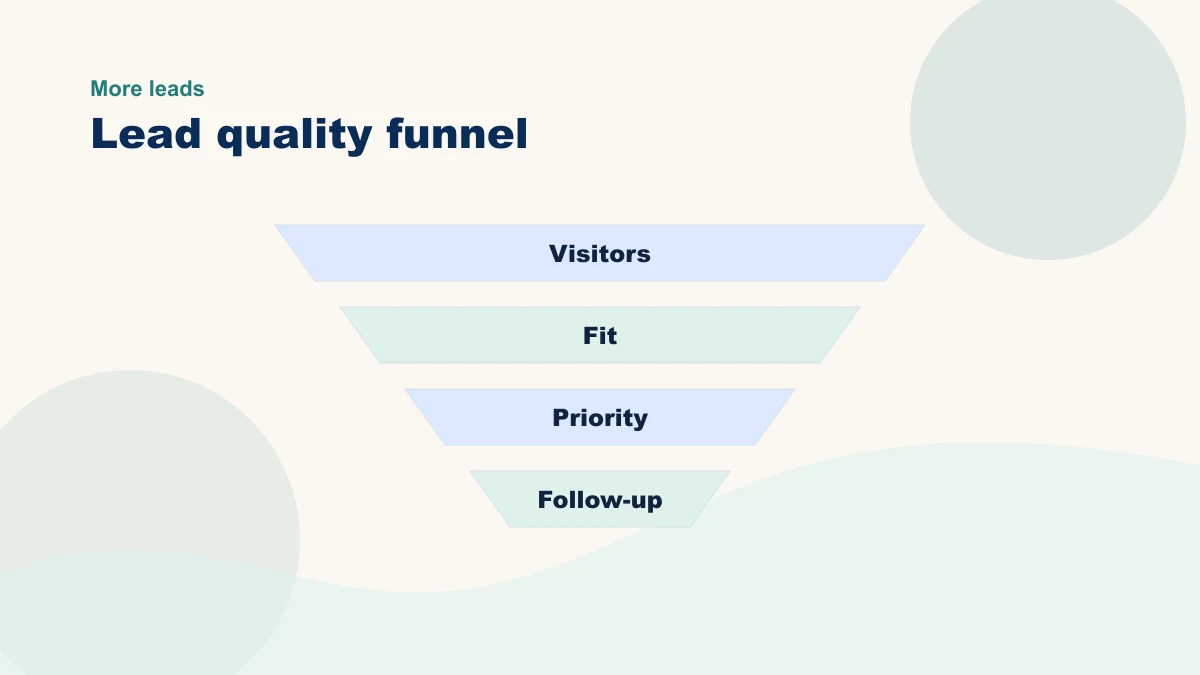
A lead problem can be a volume problem, but it can also be a response, qualification, routing, or follow-up problem. Those failures look similar in a monthly sales total and require different fixes.
AI can prepare or sort parts of that flow: summarize an inquiry, draft a reply, apply explicit qualification rules, or surface an overdue follow-up. A person still decides fit, priority, promise, price, and what gets sent.
Where Your Leads Actually Come From
Before you optimize lead flow, you need to know what's actually working. Leads don't all come from ads or your website. They come from multiple channels. A contractor might get half from referrals, a quarter from local search, and a quarter from past clients asking for new work. An accountant might find most leads through LinkedIn outreach and a small website trickle. An e-commerce brand might split between Google Shopping, email, and marketplace channels.
Track where each lead originates and choose an observation window that fits your volume. Use the record to compare channels and identify where AI might prepare research, drafts, or follow-up. The interpretation still needs context: attribution gaps, lead quality, seasonality, and the actual sales path.
| Business type | Likely lead signal | AI-assisted next step |
|---|---|---|
| Home service company | Service area, urgency, and repair vs. replacement language | Route urgent jobs first and draft a reply that asks for photos, timing, and address. |
| Professional service firm | Industry, budget clue, decision timeline, and problem description | Score fit and draft a response that frames the next call around the stated problem. |
| Ecommerce store | Product category viewed, abandoned cart value, and support question | Send a category-specific follow-up or recommendation, then measure click and purchase lift. |
Writing Offers and Landing Pages With a Clearer Next Step
Before buying more traffic, inspect what current visitors see and what happens after they inquire. AI can help prepare page variants or summarize customer language, but conversion changes have to be tested against real traffic.
AI can prepare variants from approved business and customer inputs. Use it to:
- Draft multiple versions of headlines and subject lines, then test which resonates with your audience
- Write copy that speaks to specific pain points your customers mention in conversations
- Create variations of your offer for different customer types or use cases
- Refine your value proposition based on what your best customers actually say about you
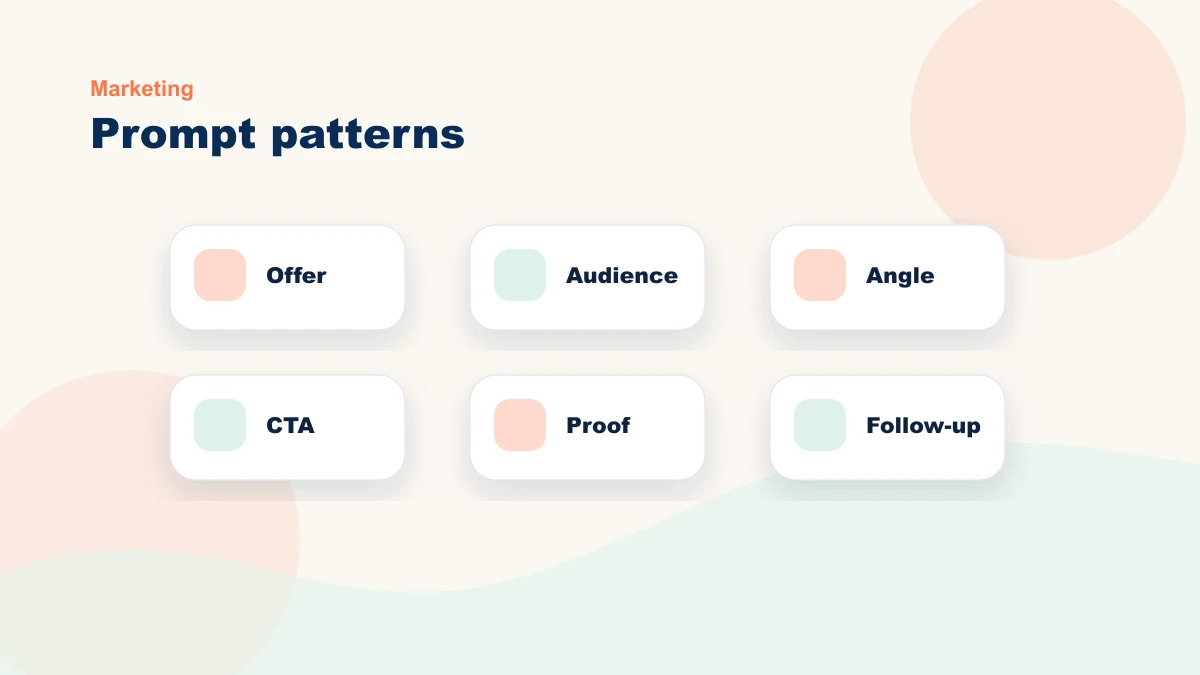
You still need to provide what is true about the business. A generic prompt leaves the model to guess at audience, offer, proof, and voice. Build prompt templates from approved examples and real customer language, then review the output against an explicit standard.
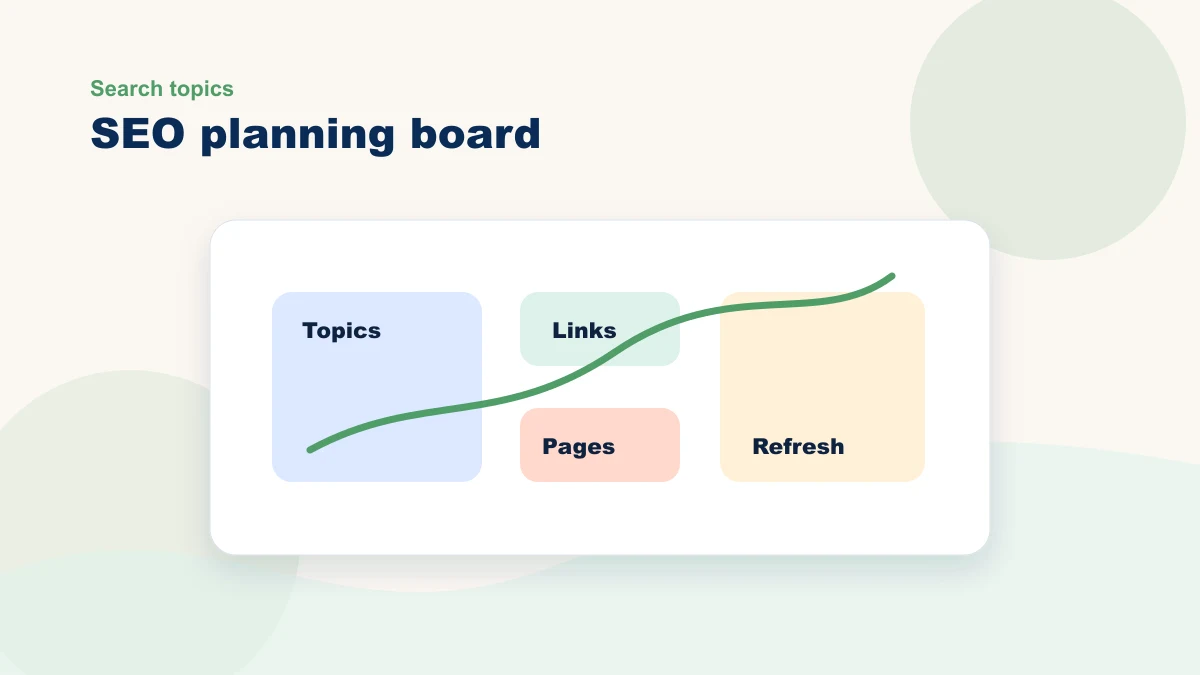
For the prompt side of that work, start with AI Prompts for Small Business Marketing. If the page itself is the weak spot, connect the copy work to the SEO brief process in How AI Can Make SEO Planning Easier for Small Businesses so the SEO brief and landing-page decision use the same customer evidence.
Apply qualification rules without handing over the decision
Not every inquiry represents the same intent. An approved rubric can help prepare a provisional category, but a person should verify fit, urgency, sensitivity, and the next action before anyone is prioritized or contacted.
A draft-only triage step can extract explicit signals such as problem, pricing question, requested timing, and service area. The reviewer checks the source message, corrects the provisional category, and owns the outreach decision. Sensitive data, consent, and retention rules belong in the workflow before the inbox is connected.
| Without AI | With AI |
|---|---|
| All leads treated the same priority. Sales person calls in order received. | Provisional fit signals are surfaced; a person verifies priority and next action. |
| Follow-up cadence is manual or sporadic. Easy to miss someone after a busy week. | Approved follow-up drafts are queued with consent, timing, stop, and ownership rules. |
| Email replies are generic or skipped entirely during busy periods. | Each inquiry is queued for a consent-aware acknowledgement or human response within a defined service target. |
| No data on which messages get replies or advance the sale. | Clear view of which templates work. Poor performers get refined with new language. |
| Cost per lead is unknown. Follow-up investment is unmeasured. | Transparent metrics: spend, response rate, cost per qualified lead, and sales cycle. |
Building Follow-Up Cadences That Stick
Sporadic follow-up creates an inconsistent customer experience. AI can prepare follow-up drafts from an approved sequence; a person verifies relevance, consent, offer, timing, and stop conditions before the message is sent.
For email, a simple template can acknowledge the request, ask one relevant clarifying question, and state the next step the team can actually meet. AI may prepare the draft from permitted inquiry details; the reviewer verifies the person, context, consent, promise, and channel. For SMS or phone, use the same approved facts and stop conditions.
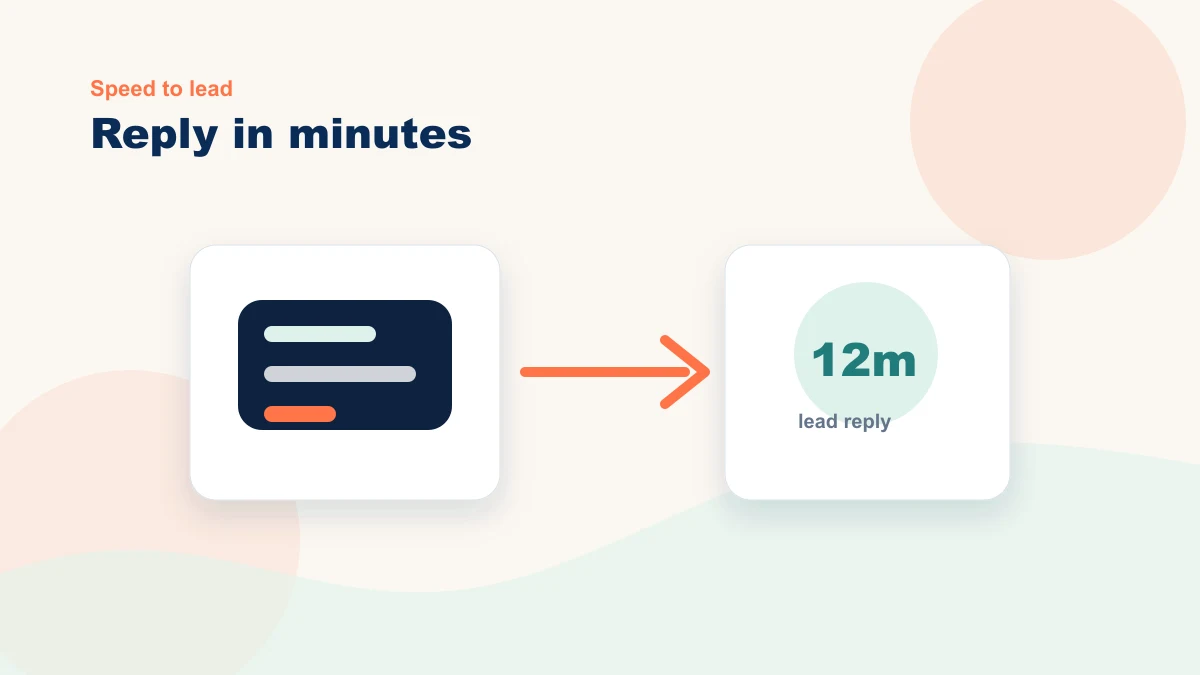
Measure the full inquiry-to-reviewed-response cycle. A faster draft matters only if the response stays accurate, relevant, and owned by a person.
The key is keeping your voice and offer accurate. Every AI-drafted message needs review before it goes out. During the test, log corrections and exceptions; simplify the handoff only when the reviewed results support it, and never remove ownership of customer promises.
If speed is the bigger problem than volume, use the setup in How AI Can Help Small Businesses Respond to Leads Faster before adding more lead sources. Before adding another campaign, test whether a more relevant reviewed response improves the metric you already track.
Use content to test lead-fit hypotheses
Content can change who inquires and what they understand before contacting you. Test that hypothesis with inquiry source, fit, questions, and booked-call data rather than assuming more content creates better leads.
AI can help with research and outlines, but your knowledge is what makes content worth reading. If you're a therapist, you know why certain clients do well. If you're a plumber, you understand the difference between quick fixes and permanent solutions. If you're a consultant, you see patterns your competitors miss. Write about that. AI can organize your thoughts and polish the language. Link to your best content from your landing pages so search engines see depth.
For SEO strategy specifically, see how to build an AI-powered SEO plan that focuses on what your customers actually search for.
Measuring What Matters
Record the same measures before and during the supervised test so you can compare the handoff rather than the novelty of the tool:
- Cost per lead — total spend divided by new leads received
- Reply rate — what percentage of leads get a response within 24 hours
- Show rate — what percentage of scheduled meetings actually happen
- Response time — how long from inbound message to reviewed reply; record the current median before setting a target
- Sales cycle — average days from first contact to close
Treat response time, show rate, lead fit, sales-cycle length, and operating cost as separate measurements. A supervised test can show whether the changed handoff improves any of them without increasing corrections, unwanted messages, or missed exceptions.
Where lead workflows break down
A lead workflow has to fit your offer, customers, team, channels, and response rules. Tools and prompts will change; the stable parts are the approved sources, qualification rules, human decisions, escalation paths, and baseline.
The first question is whether lead volume, response delay, or qualification is the real bottleneck. Map one inquiry path, record the baseline, and test the reviewed handoff before adding software or acquisition spend.
Treat faster response and better qualification as hypotheses. Keep the workflow only if reviewed response time, lead fit, and booked-call follow-through improve without more corrections or unwanted messages.
If you want to test this against your pipeline, review how I structure AI-assisted lead work or book a free 15-minute bottleneck review. Bring one lead source and the current response path; we will map the draft, decision, exception, and metric.