Your restaurant runs on thin margins, long hours, and staff who come and go. You cannot afford to waste time on social media posts that no one sees or reviews you never respond to. But you also cannot afford to ignore marketing or let operations fall behind.
AI will not solve a staffing, margin, or service problem. It can prepare repeated marketing and admin work when the source, reviewer, and stop conditions are clear. Here is where it may fit—and where food safety, people decisions, prices, and customer trust stay human.
Four restaurant marketing drafts to test
Weekly Social Posts
Monday morning: you photograph a new dish or a customer moment you have permission to share. AI prepares a post from approved dish details and your voice guide. A manager checks the image, claims, price, availability, privacy, and tone before publishing. Record the full preparation-and-review time rather than assuming a two-minute edit.
Menu Copy and Descriptions
You update your menu. AI can turn approved dish notes into description drafts that follow your voice. A person verifies ingredients, allergens, price, availability, and claims before publishing.
Photo Captions and Alt Text
AI can prepare caption and alt-text drafts from a photo plus accurate dish details. A person checks that the text describes the actual image and does not invent ingredients, people, or accessibility details.
Email Blasts and Newsletters
From a permitted customer list and approved details, AI may prepare an email draft for a special, event, or menu update. A person verifies consent, audience, price, availability, claims, links, tone, and the final send.
Five back-of-house workflows to evaluate
Forecasting Prep
Historical reservations, walk-ins, promotions, weather, events, and known closures may support a traffic-preparation summary. A manager evaluates data gaps and real operating context before making staffing, prep, or purchasing decisions.
Schedule Drafting
AI may prepare a schedule draft from approved availability, roles, coverage rules, and demand inputs. A manager verifies labor rules, fairness, skills, time off, accessibility, emergencies, and the final schedule.
Review Responses
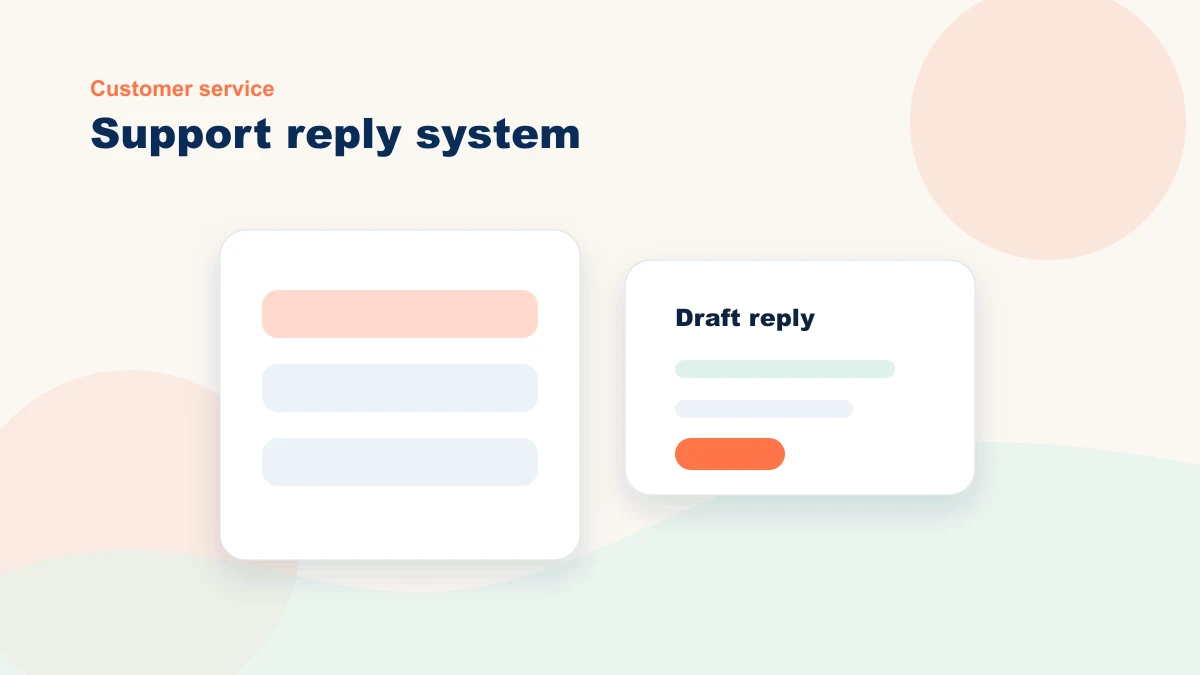
AI can prepare a response from approved service-recovery guidelines. A manager decides what to acknowledge, whether to move the conversation offline, and what—if anything—the restaurant can promise.
Allergen and Dietary FAQs
Allergen and dietary questions are safety-sensitive. AI may help format a draft only from current, verified ingredient and cross-contact information; trained staff still verify the specific item and current kitchen conditions. Never present generated text as an allergy or food-safety determination.
Vendor Email Triage
With permitted inbox access and explicit categories, AI may propose labels for supplier confirmations, delivery issues, service notices, and promotions. A person verifies urgent items, exceptions, sensitive content, and the next action.
See Which Tasks AI Helps and Which You Keep
| Task | AI Helps With This | You Keep This |
|---|---|---|
| Social media posting | Draft captions and images | Decide what to post and when |
| Menu writing | Write descriptions from your notes | Set prices, choose dishes, taste results |
| Review responses | Draft initial replies | Decide tone, add personal details, final approval |
| Staff scheduling | Suggest schedules based on forecast | Approve, adjust, communicate final schedule |
| Food ordering | Prepare demand signals and quantity scenarios | Approve orders, manage suppliers, handle quality |
| Email marketing | Draft content and segments | Decide message, approve sends, track results |
The division of labor should be clear: AI prepares bounded writing or classification work; a manager checks facts, tone, safety, privacy, price, availability, and the next action. Compare candidate workflows by frequency, source quality, review risk, and measurable result before choosing one test.
A Simple Weekly Restaurant AI Rhythm
| Day | AI-assisted task | Owner or manager check |
|---|---|---|
| Monday | Draft posts for the weekly special, event, or seasonal dish | Confirm price, availability, and tone before posting |
| Wednesday | Summarize reviews and draft two thoughtful responses | Add specific customer or staff context |
| Friday | Review expected traffic and suggest prep or staffing notes | Adjust for reservations, weather, events, and kitchen reality |
Off-Limits Zones
Do not automate food safety decisions. AI cannot verify that your supplier is safe or that your storage is correct. Do not automate payroll without human oversight. Do not let AI write customer apologies for real service failures. Do not use AI to decide which staff member to schedule or fire. These choices need your judgment and your accountability. If customer or staff data is involved, use the guardrails in the AI privacy guide before you connect tools.
The line is this: AI may prepare routine, source-backed work. People keep decisions about hiring, scheduling commitments, food and workplace safety, refunds, pricing, and customer trust. Write that boundary and the escalation owner into the workflow before testing it.
Start with a bounded back-of-house test
Start with a back-of-house task whose source, manager review, safety limits, and measurable result are clear.
The test is operational, not theatrical. Measure whether AI-assisted preparation reduces the full admin cycle while service, accuracy, safety, correction load, and manager control hold. If those conditions do not hold, revise or stop the workflow.
Start with one task. If email is the bottleneck, test a newsletter draft from approved details. If social publishing is the bottleneck, test a caption draft from one approved photo and source note. Choose an observation window with enough repetitions, measure the full review cycle, and expand only if the result clears the threshold.
Where restaurant workflows break down
Generic captions and awkward review replies usually point to missing inputs: the current menu, approved facts, service-recovery rules, brand voice, and the manager who owns review. The workflow has to fit a real shift, not a software demo.
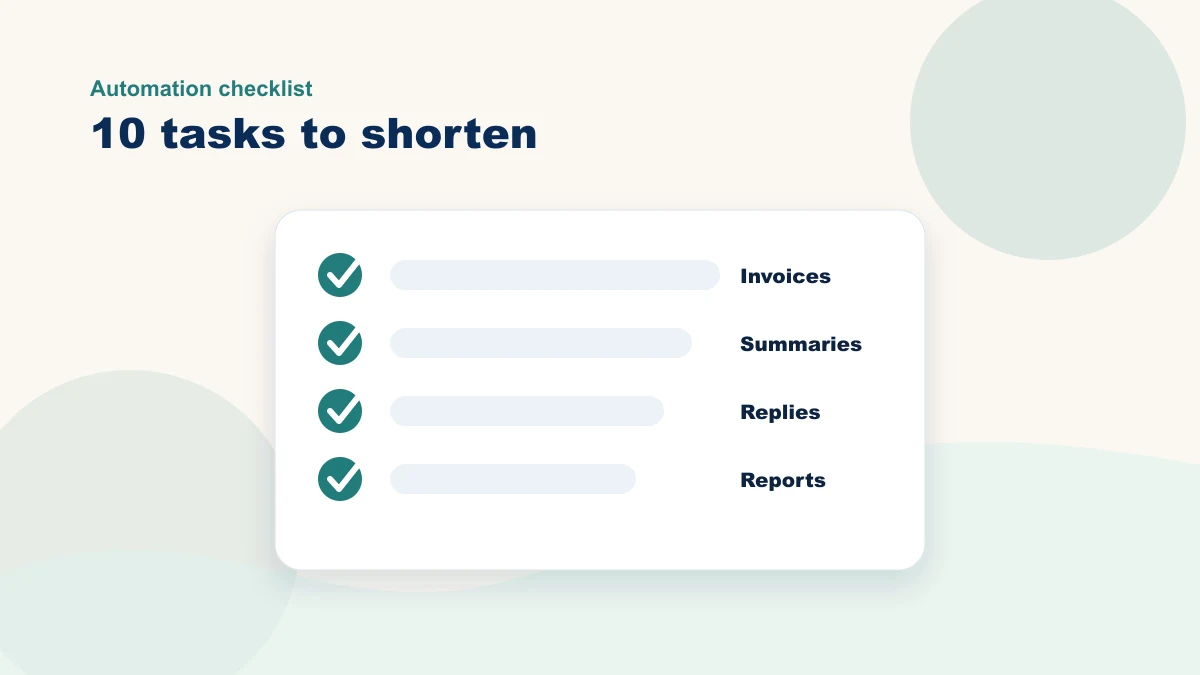
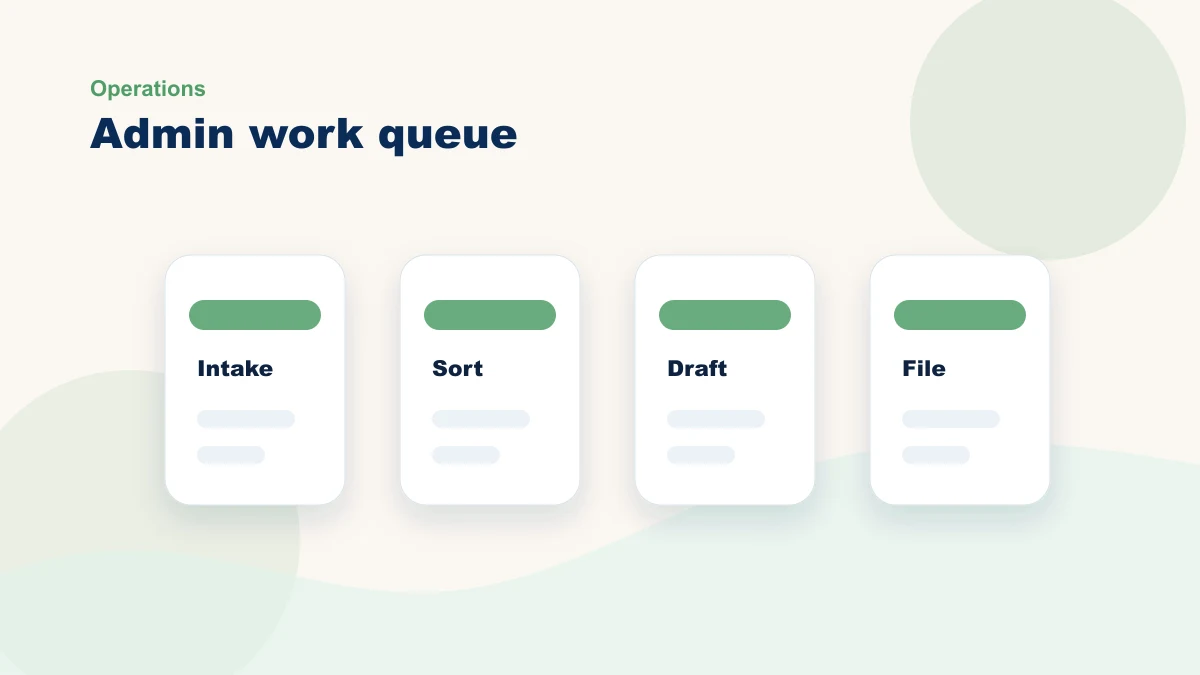
A workflow review starts with one weekly marketing, admin, or support task. We map the trusted input, prepared output, manager check, exceptions, and baseline before choosing a tool.
If you would rather see how this looks in practice first, review the workflow services or read how other small businesses are using these workflows. When you are ready, book a free 15-minute bottleneck review and bring one weekly restaurant task. We will map the first testable workflow and the decisions that stay with the manager.